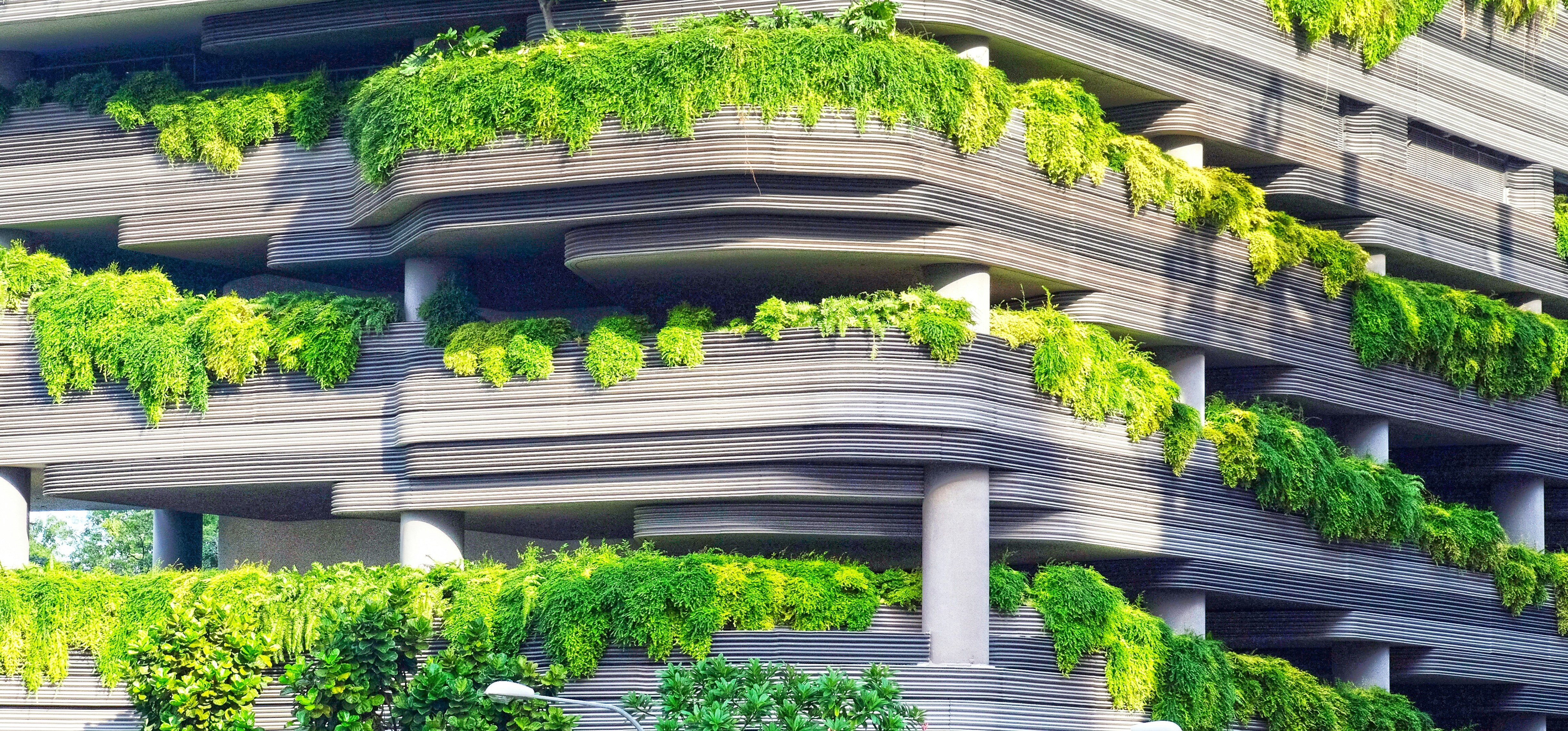
The main question of the U!REKA research project UrbanSWARM, which started on 1 December, is how to make cities climate-adaptive through small-scale, circular and nature-based solutions focusing on sustainable management of water, waste and biodiversity. Funded by the Horizon Europe Programme, the research is therefore responding to a key issue on the European agenda.
Cities are increasingly faced with extreme weather conditions, flooding, loss of biodiversity and waste. Urbanisation causes heat to accumulate in cities. It is often several degrees warmer inside the city, and the lack of greenery means there is hardly any natural cooling. This is more than just a minor inconvenience, as heat has a negative impact on the health of older people and those who are economically vulnerable. More trees and plants are part of the solution: they can drastically reduce the perceived temperature of the environment by providing shade, but they also cool the air through evaporation.
However, planting trees is not always possible, and other solutions are needed. In this context, Amsterdam launched the Schaduwmakers (Shade Makers) project. The city installed cooling designs at various locations, i.e. street furniture that actively contributes to climate adaptation while promoting a sense of connection and ownership among citizens. The Amsterdam University of Applied Sciences is also involved in this. It is therefore no coincidence that the AUAS is coordinating the UrbanSWARM project.
Involving citizens
But it is about more than just creating cooling: often, parts of the urban infrastructure, brownfield sites and hardened surfaces remain underutilised. UrbanSWARM focuses primarily on these locations and on (re)development areas. The project tests temporary and long-term nature-based solutions on a small scale in various Urban Living Labs.
HOGENT has gained experience with such living labs in recent years. Living labs are communities of knowledge and educational institutions, businesses, local authorities and local residents who work together to devise and implement solutions to complex local challenges. They create ownership among local residents.
Eveline Seghers, coordinator of the HOGENT research centre Futures Through Design (which participates in UrbanSWARM) explains: ‘In concrete terms, we are looking at how we can use small lost sites, uncultivated green spaces in cities, to make cities more climate-adaptive. For example, by making adjustments that enhance biodiversity, or through initiatives in the field of water circulation and management. Rainwater, for example, can be put to good use.’
UrbanSWARM in a nutshell
UrbanSWARM will receive a total of €1.5 million in funding from the HORIZON Europe programme. Within U!REKA, Amsterdam University of Applied Sciences is focusing on research topics related to sustainable energy, the circular economy, green cities, etc. AUAS is coordinating the project, and HOGENT and Metropolia are also involved in U!REKA. In addition, universities of applied sciences from outside the U!REKA network are also joining, as are local authorities, SMEs and private research inst
Construction and demolition materials can also be reused. For example, there are projects where rubble from renovations is used as roofing, known as “brown roofs”. Because birds leave seeds there and through wind dispersal, that construction waste eventually becomes overgrown and the brown roof evolves into a green roof.
Neighbourhood upgrading
One of the sites on which the research focuses is located in Sint-Niklaas (Belgium). There are also project initiatives in Amsterdam, Utrecht, Valencia and Athens. This provides diversity in climate conditions: in southern European cities, the impact of extreme drought and extreme weather conditions is even more pronounced, and the research also focuses on this particular context.
Climate adaptation strategies often go hand in hand with neighbourhood regeneration, explains Eveline Seghers. "It's about socio-ecological justice. The presence of green spaces improves citizens' well-being; the two elements are closely linked. And it goes even further: 'multi-species justice' is also a point of attention here. This is a theory that encompasses the interests of all species and ecological systems and is therefore not human-centred but also takes into account the well-being of non-human entities such as animals, plants, rivers and forests."
Ultimately, UrbanSWARM aims to increase knowledge about circularity and climate adaptation policy among local businesses, citizens and authorities, as this knowledge is still limited, particularly in smaller towns. The research should lead to publications on nature-based solutions, concrete policy advice and targeted action plans, including for the development of living labs.